.png)
 2 months ago
156
2 months ago
156

.jpeg)
.png)
The Tobacco and Vapes Act 2026 – In what has been widely categorised as one of the most significant public health interventions in modern British history, the UK Government has officially passed the Tobacco and Vapes Act. Having received Royal Assent in April 2026, this landmark legislation signals a definitive shift in the nation’s approach to public health, transforming the landscape of preventable disease and addiction by creating the UK’s first smoke-free generation.
For businesses, public sector organisations, and service providers, this is not merely a background policy shift; it is a fundamental change in the regulatory environment, the effects of which will be felt across multiple sectors from retail compliance to the delivery of front-line health and social care.

For businesses, public sector organisations, and service providers, this is not merely a background policy shift; it is a fundamental change in the regulatory environment, the effects of which will be felt across multiple sectors from retail compliance to the delivery of front-line health and social care.
The Tobacco and Vapes Act 2026 – What is Being Brought into Place?
The Tobacco and Vapes Act introduces sweeping reforms designed to phase out the sale of tobacco entirely while concurrently clamping down on the rapidly growing issue of youth vaping. The legislation is built upon several core pillars:
- The Generational Ban on Tobacco Sales: The headline policy of the Act makes it a criminal offence to sell tobacco products to anyone born on or after 1st January 2009. Crucially, this legislation does not criminalise the act of smoking itself, nor does it penalise those who currently smoke. Instead, it targets the point of sale. Year by year, the legal age for purchasing tobacco will effectively increase, meaning today’s children will never legally be permitted to buy cigarettes.
- Stringent Vaping Regulations: While the government acknowledges the utility of vapes as a cessation tool for existing adult smokers, the Act introduces robust measures to break the cycle of youth nicotine addiction. The legislation grants the government powers to restrict the packaging, branding, and display of vapes, actively targeting marketing tactics designed to appeal to children. Furthermore, it implements a comprehensive ban on the advertising and sponsorship of vapes and other nicotine products.
- Expanded Smoke-Free Protections: Building upon the success of the 2007 indoor smoking ban, the new laws include provisions to extend smoke-free protections to specific outdoor settings. This is primarily aimed at shielding children and medically vulnerable individuals from the well-documented dangers of second-hand smoke, particularly in areas surrounding schools and hospitals.
- Robust Enforcement and Licensing: To ensure compliance, the legislation introduces a rigorous retail licensing scheme. This will empower local authorities and Trading Standards to crack down on illicit tobacco and vape sales, ensuring responsible retailing and heavily penalising rogue traders profiting from underage sales.
Why is the Tobacco and Vapes Act Being Implemented?
The Tobacco and Vapes Act serves as a central pillar of the government’s 10-Year Health Plan, which explicitly focuses on preventing illness before it begins. As treating the symptoms of tobacco addiction is no longer a viable long-term strategy for the UK’s already stretched healthcare infrastructure, the government aims to eradicate the root cause of these systemic pressures by cutting off the supply of tobacco to the next generation.
Currently, smoking is the leading preventable cause of death in the United Kingdom, responsible for approximately 80,000 fatalities annually, and is a primary driver of devastating illnesses, including various cancers, heart disease, stroke, and chronic obstructive pulmonary disease. These smoking-related illness not only impacts smokers’ (and the public’s) quality of life, reducing lifespan and physical health and costing smokers hundreds of pounds a month, but also places an unsustainable financial strain on the NHS and the wider health and social care system.
The direct cost to the NHS is routinely estimated to be well over £2 billion annually, driven by the resource-intensive nature of treating preventable, smoking-related conditions such as Chronic Obstructive Pulmonary Disease, which often requires frequent emergency hospital admissions, costly long-term oxygen therapy, and extensive outpatient support) and smoking-related cancers (such as lung, throat, and oral cancers), which demands complex, highly expensive clinical pathways, including surgery, prolonged radiotherapy, and targeted oncology.
Smoking also significantly accelerates physical decline, meaning smokers often require state-funded social care years earlier than non-smokers. This translates to an estimated annual cost of over £1 billion for domiciliary care (homecare) visits and residential nursing placements directly linked to smoking-induced disability, strokes, and frailty.
The lost productivity caused by smoking also costs the country tens of billions of pounds each year through increased sickness absence (as smokers are statistically more susceptible to routine respiratory infections and take longer to recover), increased break times as opposed to non-smokers, and early retirement due to chronic ill health, alongside premature deaths that permanently remove experienced individuals from the workforce.
Protecting Children
The legislation is also designed to protect the physiological and psychological development of children and young adults. While public health campaigns have successfully driven youth smoking rates down to historic lows, with 2025 data from Action on Smoking and Health indicating that roughly 5.7% of 11 to 17-year-olds in Great Britain currently smoke, the normalisation of youth vaping presents a complex, modern challenge. Recent figures show that approximately 20% of 11 to 17-year-olds have experimented with vapes, with 7% identifying as current users.
The introduction of nicotine during adolescence carries profound, long-lasting consequences, as the human brain continues to develop until roughly the age of 25. Neurologically, early exposure to nicotine disrupts the maturation of the prefrontal cortex (the area of the brain responsible for executive functions, decision-making, and impulse control). Consequently, adolescent nicotine use is heavily correlated with long-term deficits in attention, learning, and memory. Emotionally, the artificial stimulation of the brain’s reward pathways not only increases susceptibility to future substance dependencies but also exacerbates mood disorders, leading to heightened anxiety, irritability, and emotional instability, and physically, alongside the severe respiratory and cardiovascular damage inherently caused by combustible tobacco, the inhalation of vaporised chemicals poses emerging risks of neurodevelopmental impairment. By cutting off access to these products, the Act actively shields the holistic development of the next generation.
The Projected Impact of the Tobacco and Vapes Act
The long-term projections for the Tobacco and Vapes Act are strongly positive, with public health experts anticipating a drastic reduction in the prevalence of smoking-related diseases, which will result in a significant drop in hospital admissions for respiratory and cardiovascular conditions.
Furthermore, this legislation is expected to play a critical role in closing the health inequality gap. Currently, smoking rates are disproportionately high in disadvantaged communities, directly contributing to lower life expectancies in these areas. By removing the commercial availability of tobacco for future generations, the legislation acts as a levelling mechanism for national health outcomes.
Regarding vaping, the projected impact involves a careful balancing act. The legislation is designed to immediately strip away the child-friendly appeal of e-cigarettes, such as bright packaging and sweet flavours, curbing the alarming rise in youth vaping. However, by keeping unbranded, regulated vapes available, they remain a viable pathway for current adult smokers seeking to quit. This is being supported by record levels of government funding channelled into local stop-smoking services, ensuring that the legislative ban is paired with practical, accessible support for those currently trapped in addiction.
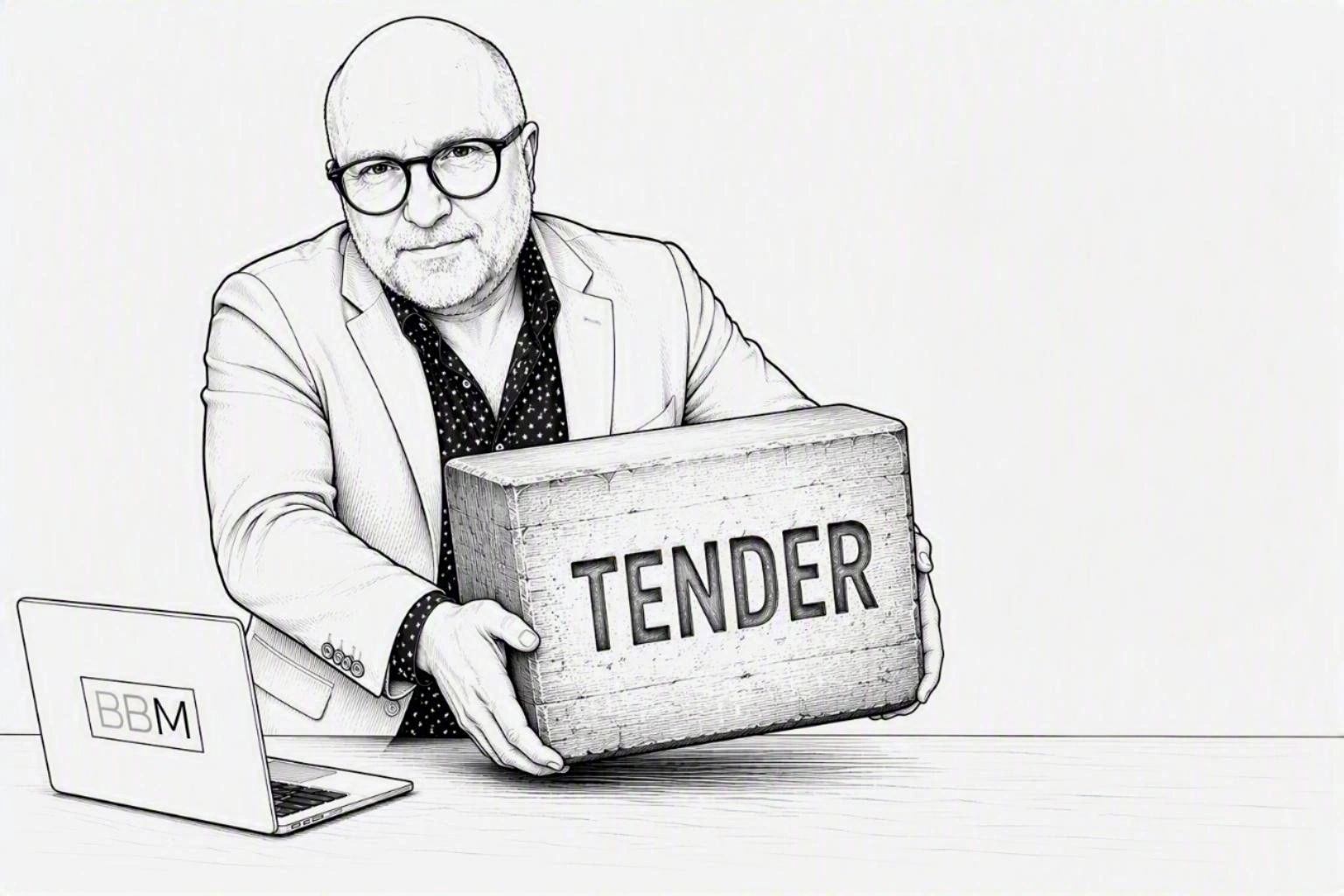
How Your Tender Team Can Help Incorporate the Legislation into Your Bids
As the regulatory landscape changes, so too do the expectations of public sector commissioners. Local authorities, NHS trusts, and Integrated Care Boards will immediately begin looking for suppliers who proactively align their services with the objectives of the Tobacco and Vapes Act.
At Your Tender Team, we specialise in ensuring that your bid submissions not only meet statutory requirements but leverage them to demonstrate industry-leading best practice. Here is how we can help you incorporate the new legislation into your upcoming tenders:
- Strategic Alignment in Method Statements: We will work with you to embed preventative health strategies directly into your service delivery models. Whether you are bidding for a local authority framework or an NHS contract, we will articulate how your organisation supports the government’s 10-Year Health Plan and the shift toward preventative care.
- Signposting and Support in Homecare: For domiciliary care and supported living providers, commissioners want to see active engagement with service-users’ wellbeing. We will help you outline clear processes for how your care-workers will sensitively identify service-users who smoke or vape. More importantly, we will detail your internal pathways for actively signposting these individuals to local, council-funded stop-smoking services whilst respecting the Mental Capacity Act 2005, demonstrating how your agency adds tangible value to community health beyond standard care duties.
- Strengthening Social Value Responses: The Social Value Model is a critical component of public sector procurement. The new smoking legislation ties directly into themes such as ‘Health and Wellbeing’ and ‘Tackling Economic Inequality’. We can help you design and document Social Value commitments that promote smoke-free environments, support staff cessation programmes, and educate communities on the risks of illicit vapes, scoring you vital additional marks in competitive tender processes.
- Compliance and Training: We will ensure your quality assurance and training method statements reflect the new legal reality, demonstrating to evaluators that your staff are fully trained on the implications of the Act and that your organisational policies have been updated to reflect the most current UK law.
How Can We Support You With Tenders?
See our Full Tender Write and Review & Evaluation pages for more information on how our award winning team can support with your bid.
Citations and Sources Used
- GOV.UK (Department of Health and Social Care): Tobacco and Vapes Bill becomes law (April 2026). Available at: https://www.gov.uk/government/news/tobacco-and-vapes-bill-becomes-law
- The King’s Fund: The Tobacco and Vapes Act – a landmark win for health. Available at: https://www.kingsfund.org.uk/insight-and-analysis/blogs/tobacco-and-vapes-act-landmark-win-health
- BBC News: Smoking ban and other measures to improve public health. Available at: https://www.bbc.co.uk/news/articles/cn08jy6w0l5o
- House of Commons Library: Research Briefing: Tobacco and Vapes Bill. Available at: https://commonslibrary.parliament.uk/research-briefings/cbp-10193/
- Action on Smoking and Health (ASH): APPG on Smoking and Health welcomes historic generational smoking ban becoming law. Available at: https://ash.org.uk/media-centre/news/press-releases/appg-on-smoking-and-health-welcomes-historic-generational-smoking-ban-becoming-law







.jpeg)




 English (US) ·